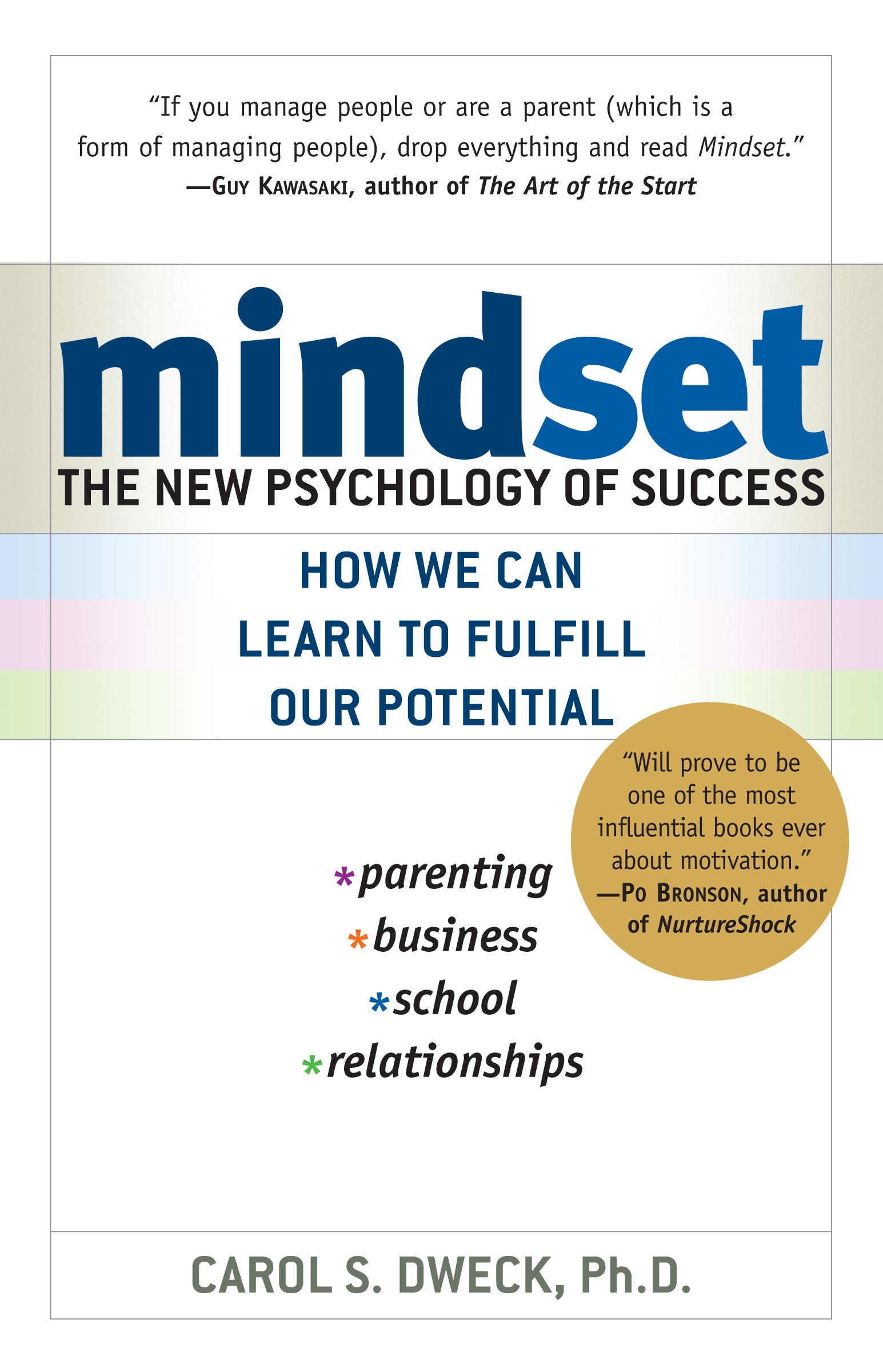
If you have not read it, stop, drop and pick up a copy of Carol Dweck's Mindset. I was introduced to the book by Jo Boaler in the online course I took with her last summer. I wanted to find a new way to approach mathematics teaching and it worked. This was the most successful school year I have had yet with math students. Not because of test scores, not because of less challenges or fewer ups and downs. Because at the end of it all, they wanted to learn math, bumps, bruises and all.

At the start of the school year I asked all my 9th graders if they thought their 'mathematical intelligence' could be improved. 92% of my accelerated level math students said yes while only 12% of my regular level math students said yes. Amazing.
I took action. Three new classroom practices that I think helped contribute to our positive learning environment:
1. The only sign up in my classroom: F.A.I.L. is a First Attempt In Learning
2. I tried (though habits are hard to break) to always use the phrase, "help us make sense of that" rather than, "no, it is wrong or yes, it is right." That way the focus was on THINKING, the PROCESS, the CREATIVITY and not just the final answer.
3. I helped students understand how they THINK in mathematics and then through collaboration, they could find like thinkers and learn from unlike thinkers. Isn't that what we want? Students who are stuck on a problem to open up a tool chest and pull out a new way of thinking!

This year I will add more hints from the book and even start applying the growth mindset to personal, not just professional development.
If you want to skip the book, here is a video by the amazing Carol Dweck though there are so many more, you might get lost for awhile and trust me, it will be worth every minute.
